 Shoppable





No Products in the Cart

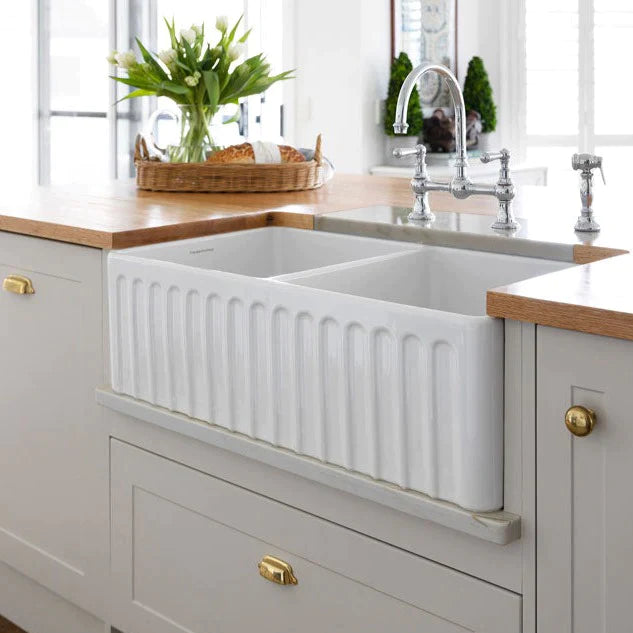
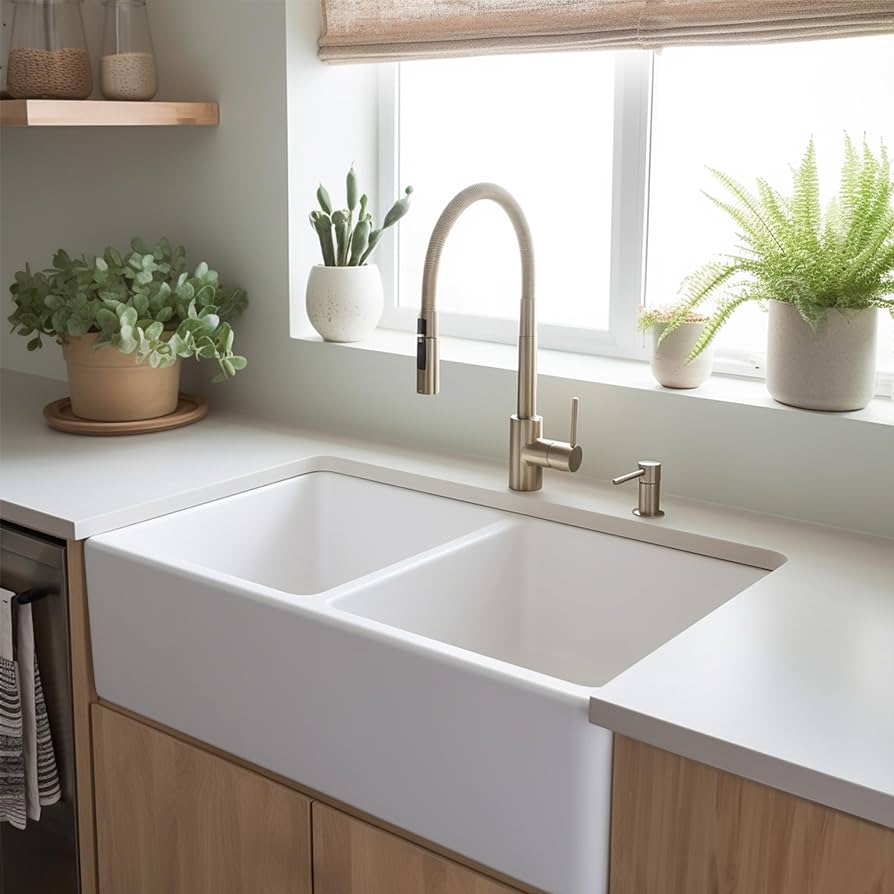
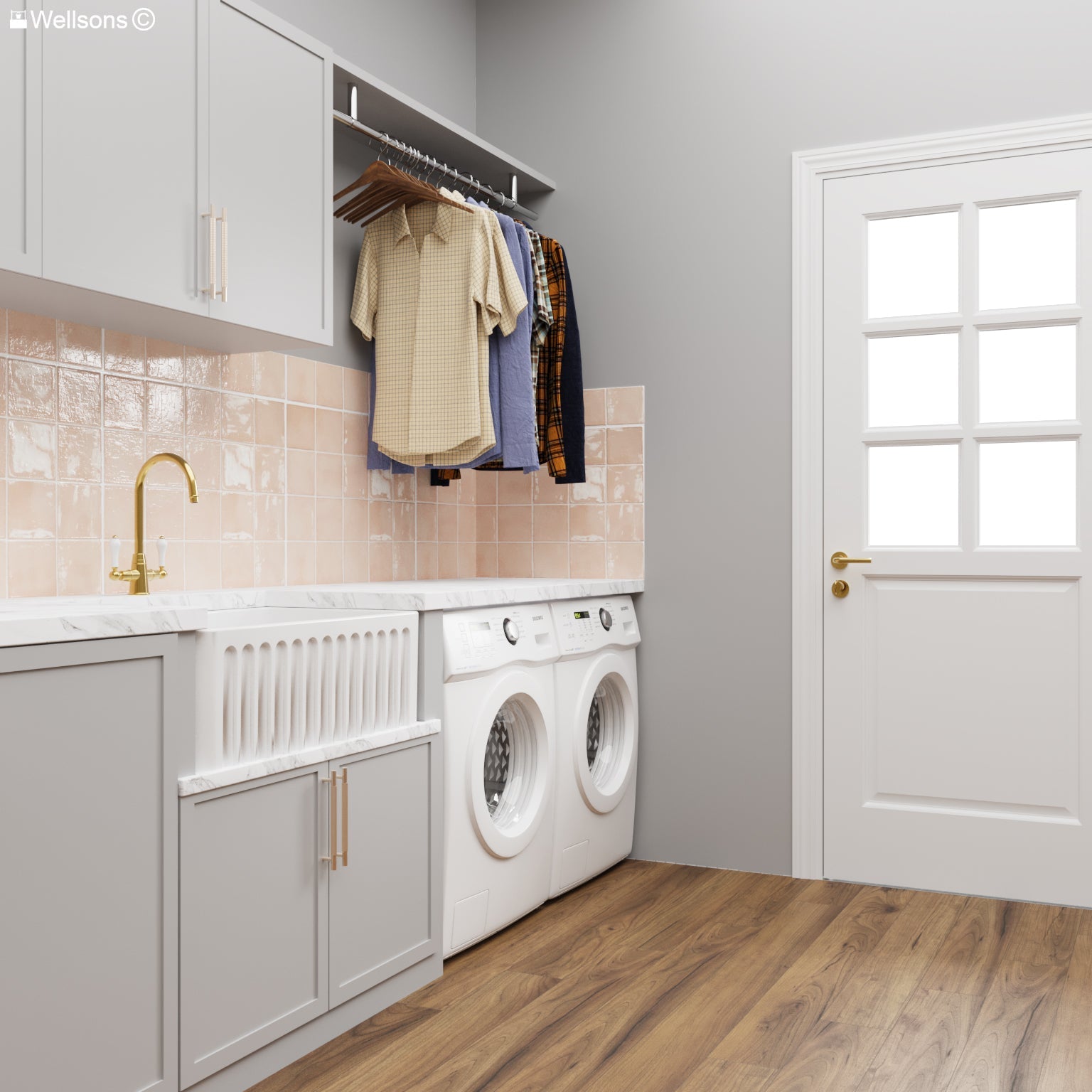
A butler sink, also known as a Belfast sink or a farmhouse sink, is a large, rectangular, ceramic sink that is both durable and aesthetically pleasing. These sinks were originally used in butler's pantries in the early 18th century, hence the name. They have a timeless design that complements a variety of kitchen styles, especially traditional and country-style kitchens.
To clean a butler sink, follow these steps: a. Rinse the sink with warm water to remove any loose debris. b. Mix a solution of warm water and a mild dishwashing detergent in a bowl or bucket. c. Using a soft cloth or sponge, gently scrub the entire sink with the soapy solution. d. Pay extra attention to the areas around the drain and faucet, where grime may accumulate. e. Rinse the sink thoroughly with warm water to remove any soap residue. f. Dry the sink with a clean, soft towel to prevent water spots and streaks. g. For stubborn stains, use a non-abrasive cleaner or a paste made from baking soda and water. Apply the cleaner with a soft cloth or sponge, then rinse and dry as usual.
To install a butler sink, follow these general steps: a. Measure and plan: Measure the sink and plan the cabinet and countertop space accordingly. Ensure there is adequate support for the sink's weight. b. Prepare the cabinet: Cut out the front panel of the cabinet to accommodate the sink's apron front. Install support beams within the cabinet to hold the weight of the sink. c. Install the sink: Carefully place the sink on the support beams, ensuring it is level and secure. d. Seal the edges: Apply silicone sealant around the edges of the sink where it meets the countertop to create a watertight seal. e. Install the faucet and drain: Follow the manufacturer's instructions to install the faucet and drain assembly. Connect the water supply lines and the drain pipe. f. Test for leaks: Turn on the water supply and check for any leaks in the connections. If any leaks are found, tighten the connections as needed.
Please note that these are general guidelines, and it is recommended to consult the manufacturer's instructions and hire a professional plumber if you are not comfortable with DIY projects.